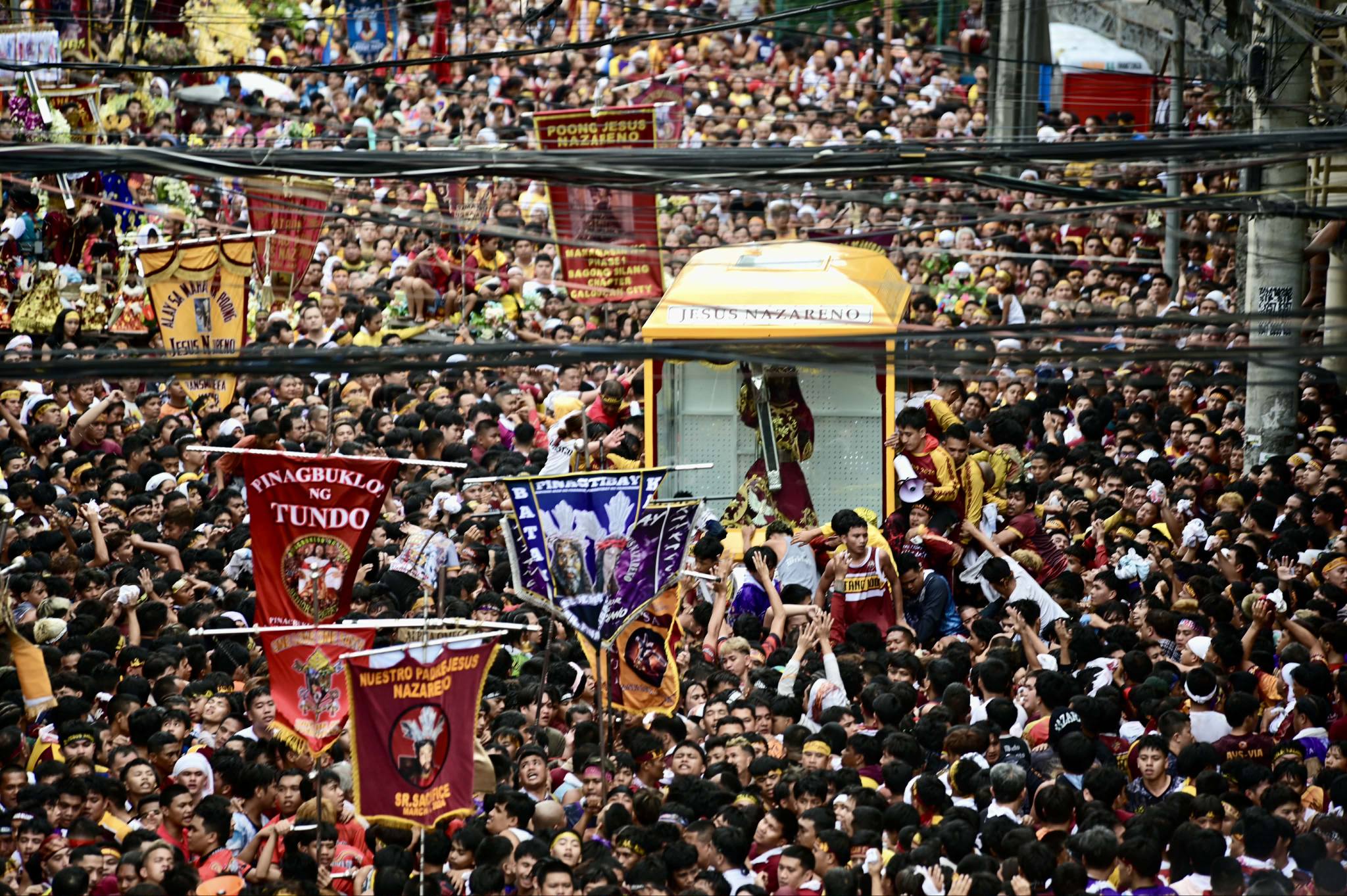
 The image of the Black Nazarene moves through dense crowds during the 30-hour procession in Manila, Philippines, on Jan. 9, 2026. | Credit: CBCP News
Jan 14, 2026 / 11:15 am (CNA).
More than 9.6 million Catholics joined the annual feast of the Black Nazarene, one of Asia’s biggest religious events, seeking miracles and hope on Jan. 9 in the Philippines.
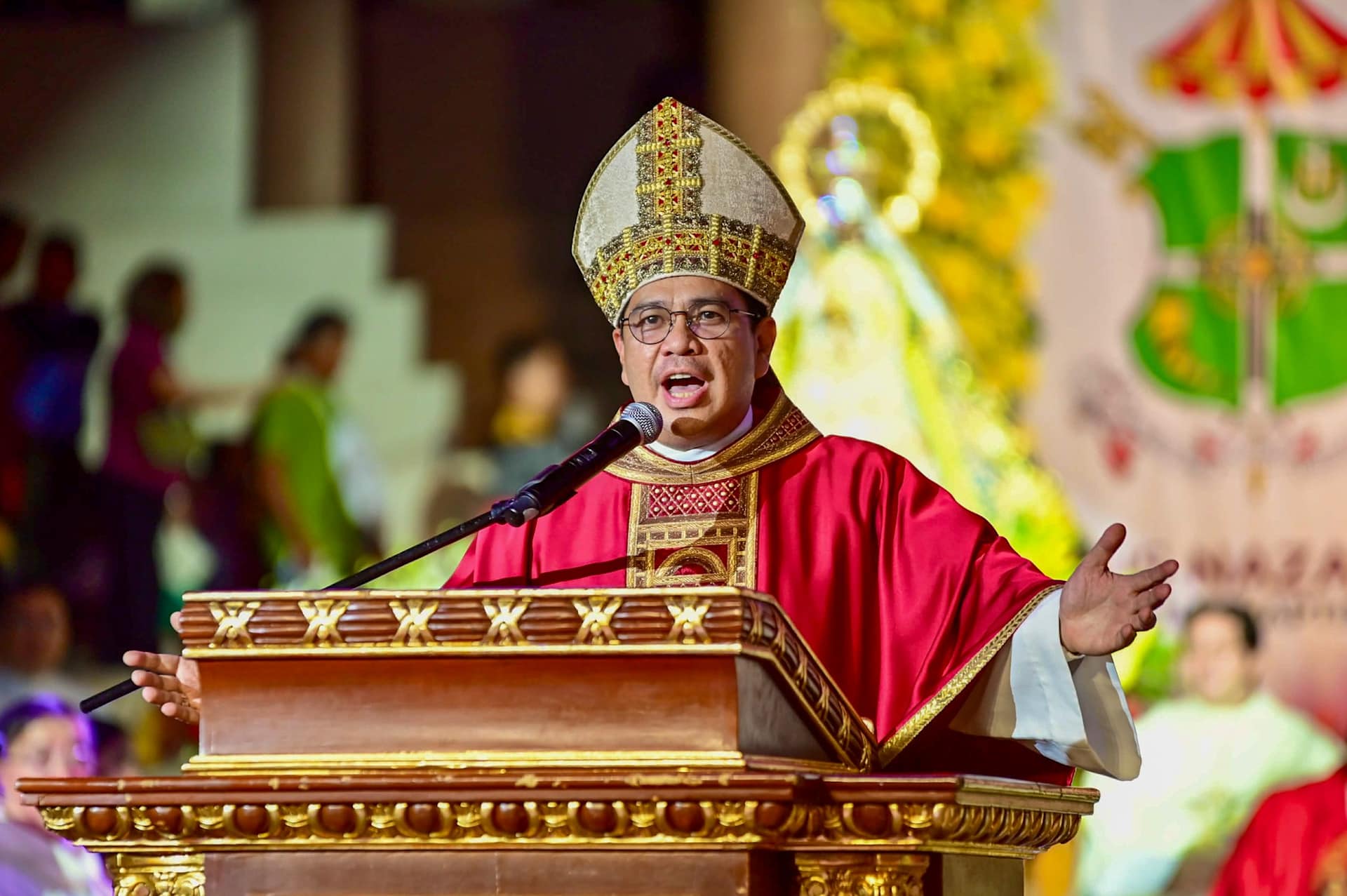
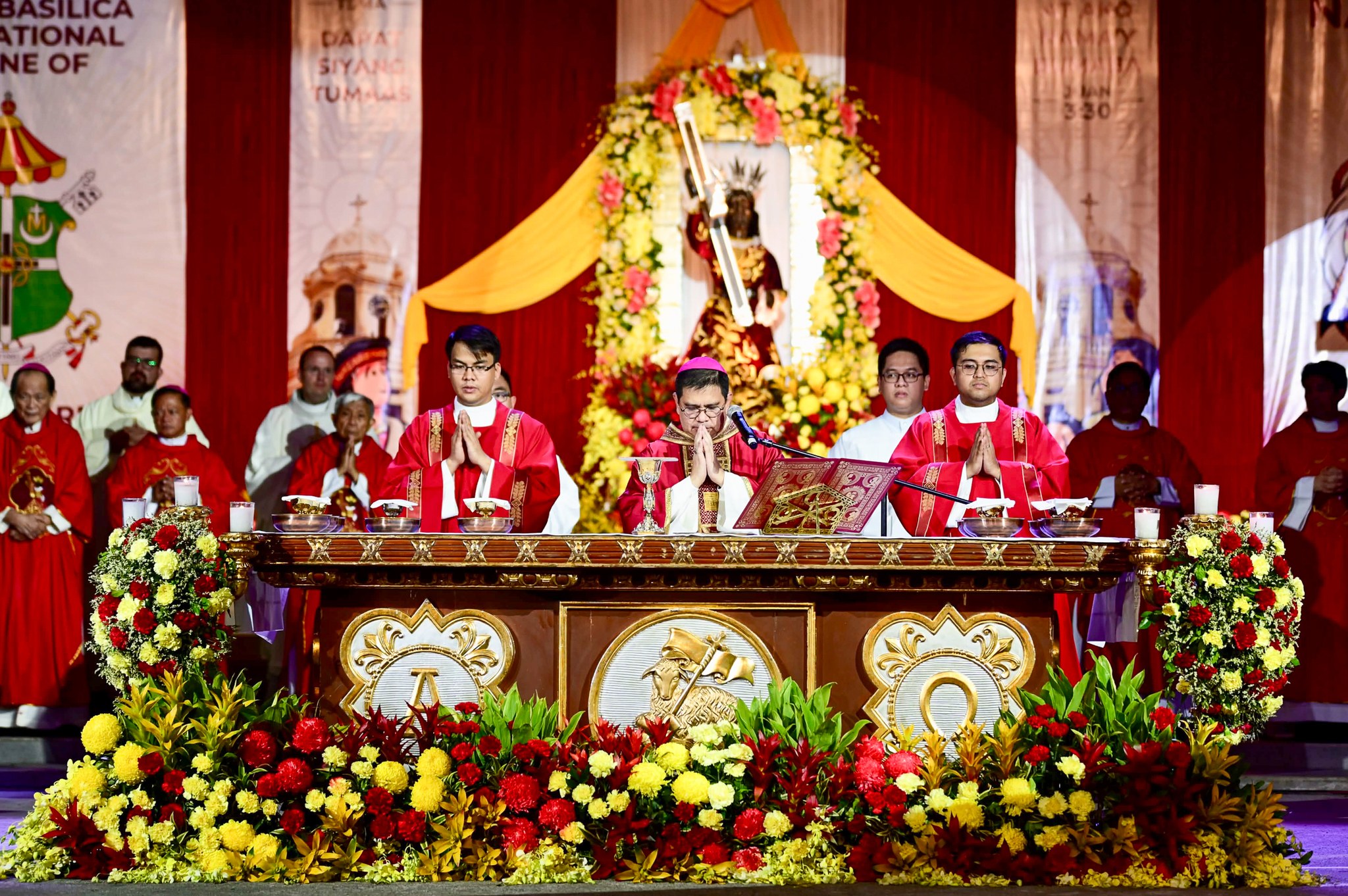
In a fiery homily at the fiesta Mass, Bishop Rufino Sescon Jr. of the Diocese of Balanga called on politicians implicated in infrastructure corruption to resign, declaring “shame on you” as devotees braved a record-breaking 30-hour procession through Manila’s streets.
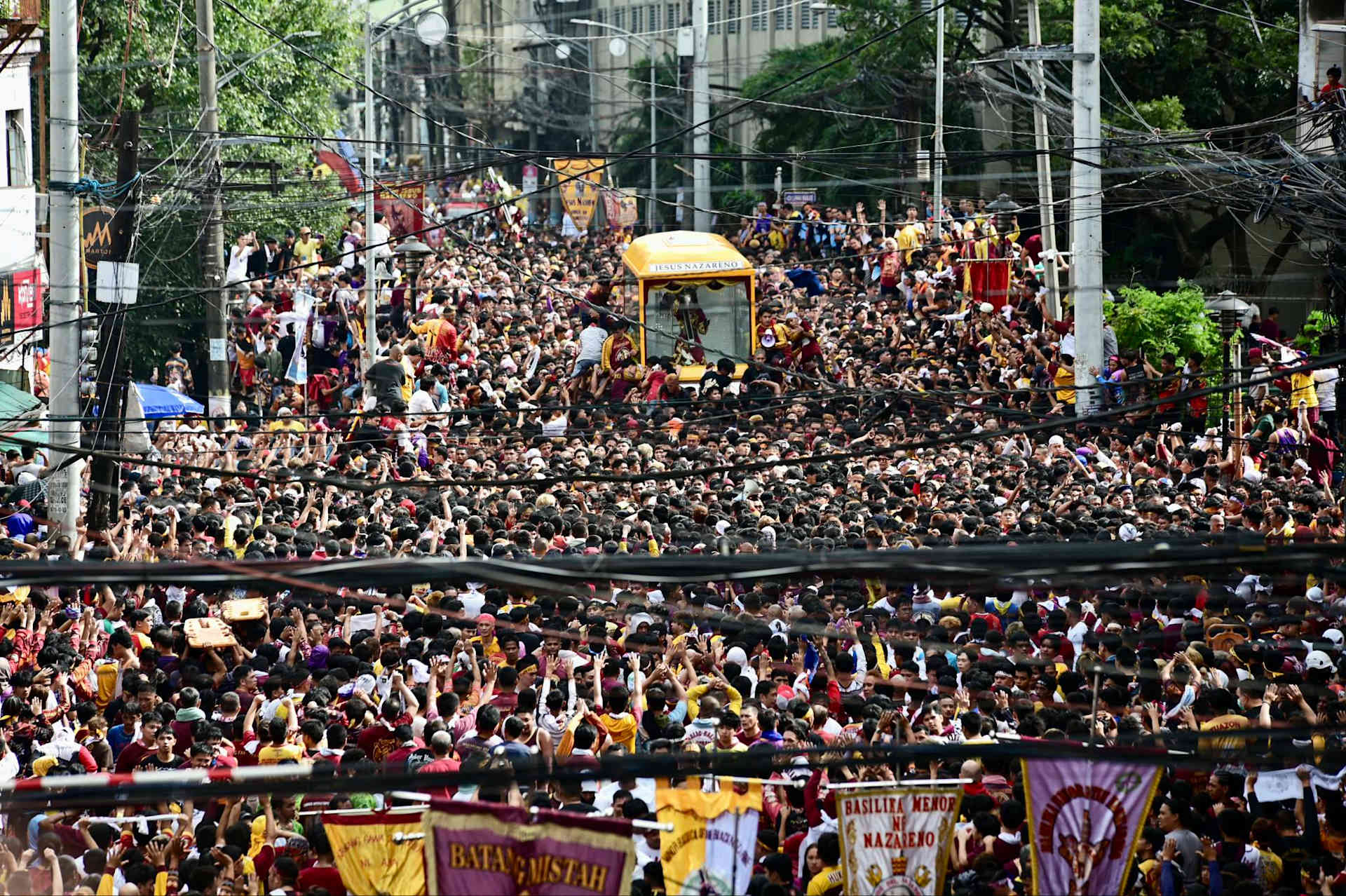
This year’s Traslacion — the procession of the glass-encased image of Jesus Nazareno — lasted 30 hours, 50 minutes, and 1 second, from Jan. 9–10, the longest procession ever, according to Police Major Hazel Asilo, spokesperson of the National Capital Region Police Office. Last year’s procession lasted 20 hours and 45 minutes and drew about 8.1 million devotees.
“I look at the Nazarene, who carried the cross for us to save us. That’s how we should be — to be tough amid all situations and not to give up,” Maria Christine Rey, a mother of four young children, told CNA.
John Quilaquil, a college student, said the event was transformative despite his suffering from the flu, chronic joint pain, and a severe cold. “This traslacion [Spanish for ‘movement’] is very special to me. Aside from this being the longest traslacion in history, I have a lot of new experiences to cherish in my entire life,” he said, describing how he pulled the carriage rope and climbed behind the cross.
Political corruption condemned
Sescon celebrated the Mass at the Quirino Grandstand before the procession began. In his homily, he called on officials implicated in flood-control projects and infrastructure corruption — purportedly costing taxpayers billions of dollars — to step down. Most projects were considered “ghosts”; either they never materialized or were shoddily built.
“In our country today, some people refuse to step down despite having done bad things or become deadweights or made the poor suffer, even though the country is drowning in floods,” Sescon said. “Shame on you. Please step down for the people’s sake.”
The Metro Manila police deployed over 18,000 personnel to ensure public safety amid the massive crowds. Authorities said four deaths were recorded during the event. Church officials clarified that the photojournalist who passed away on Jan. 9 while covering the event was not considered a casualty of the religious activity, citing a preexisting medical condition.
Cardinal’s message of humility
Before Jan. 9, a nine-day novena of Masses offered by various bishops from the region was prayed. On Jan. 4, Manila Archbishop Cardinal Jose Advincula presided over the fifth novena Mass before traveling to Rome to participate in the first extraordinary consistory convened by Pope Leo XIV.
In his homily, Advincula appealed to devotees’ humility and selfless actions. “Let us ask for this most precious grace — humility and a pure love and devotion that are not about ourselves, but about God,” he said. “True devotion is knowing how to give without needing recognition, knowing how to serve without looking to be praised, and knowing how to love without expecting anything in return.”
Legacy of devotion
The annual religious procession marks the arrival in 1606 of a wooden statue from Mexico depicting a dark-skinned, suffering Christ. Augustinian Recollect missionaries landed ashore on May 31, bringing religious images including the Nuestro Padre Jesus Nazareno, showing Christ carrying his cross en route to crucifixion.
The Black Nazarene is a life-size statue sculpted from mesquite wood now enshrined in the Minor Basilica and National Shrine of Jesus Nazareno, popularly known as Quiapo Church. Over decades, it has become one of the most popular objects of devotion for Catholics in the archipelago nation of 116 million people.
“Through the years, the devotion has not waned in its intensity and passion — folk Catholics still experience a profound personal encounter with the image of Christ,” said Father Benigno P. Beltran, a Divine Word missionary.
The main attraction is “traslacion,” a reenactment of the 1787 solemn transfer of the image from its original shrine in Bagumbayan, the present Rizal Park, to Quiapo Church.
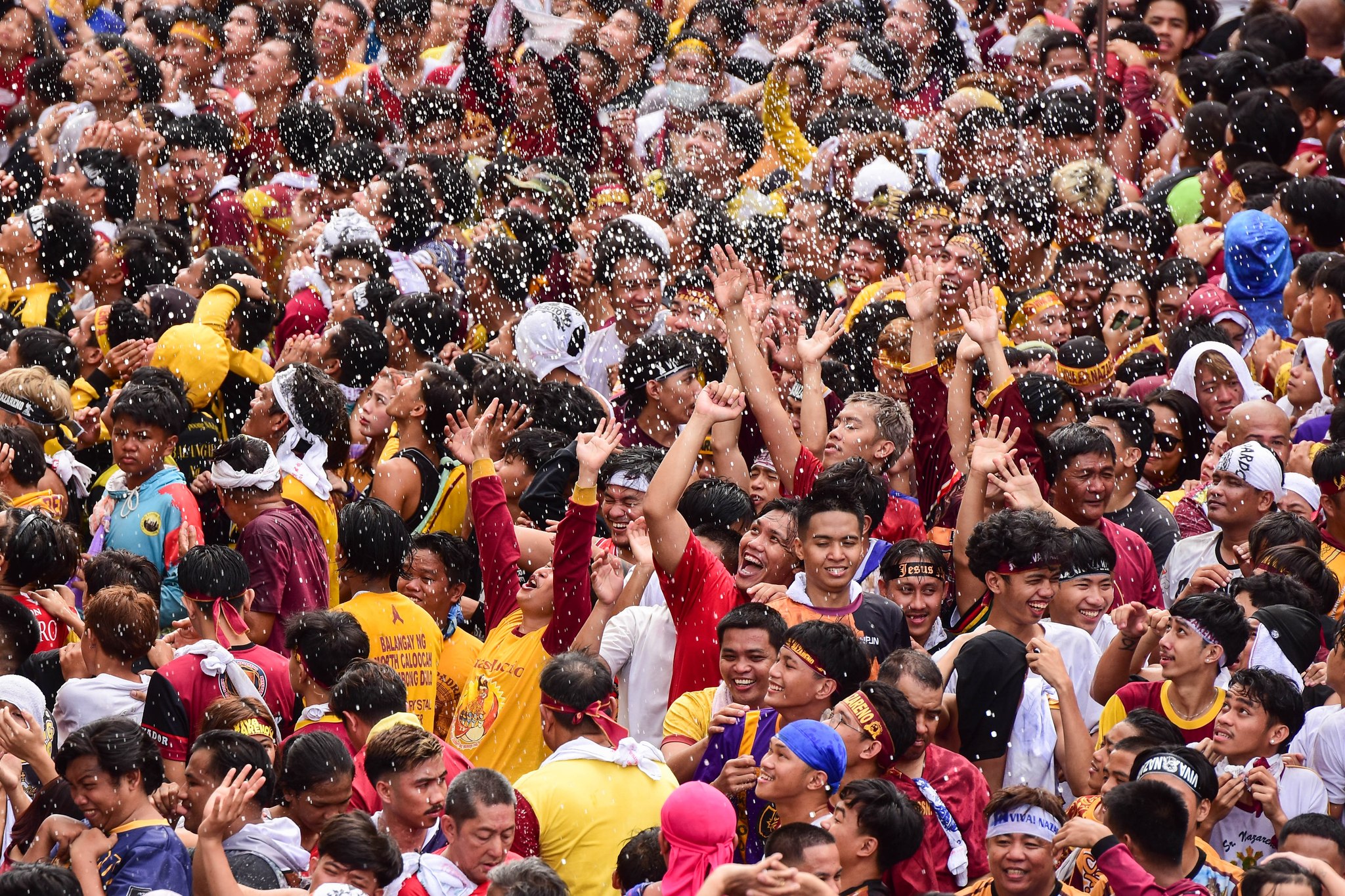
Millions of Filipinos joined the procession from Quirino Grandstand along the streets of the Quiapo district during the four-mile journey. Devotees walked barefoot, usually wearing maroon shirts, the color of the Nazarene image. The theme was “He Must Go Up, and I Also Go Down” (cf. John 3:30).
The image returned to its home on the morning of Jan. 10, concluding what is now officially the longest traslacion in the feast’s history. The nine-day novena from Dec. 31 until Jan. 10 was attended by over 9,640,290 devotees, according to Church officials.
Testament of faith
Father Ramon Jade Licuanan, rector and parish priest of the Minor Basilica and National Shrine of Jesus Nazareno, said the feast is a devotion born of suffering, faith, and hope. Many believe the image has miraculous power, making it a beacon of hope.
“Many can relate to the image of the Nazarene: a God who is united in our suffering so that we can be saved from the hardship, pain, and fire that we go through in life,” explained Father Daniel Franklin E. Pilario, CM, president of Adamson University, Manila.
“Some educated people look down on this religiosity as fanaticism or superstition. Others call it ‘opium of the masses.’ Listening to the people who are there, I call it everyday resistance,” he added.
Original Source: