Rabbis of LA | Rabbis Camras, Vogel Take One Step Back
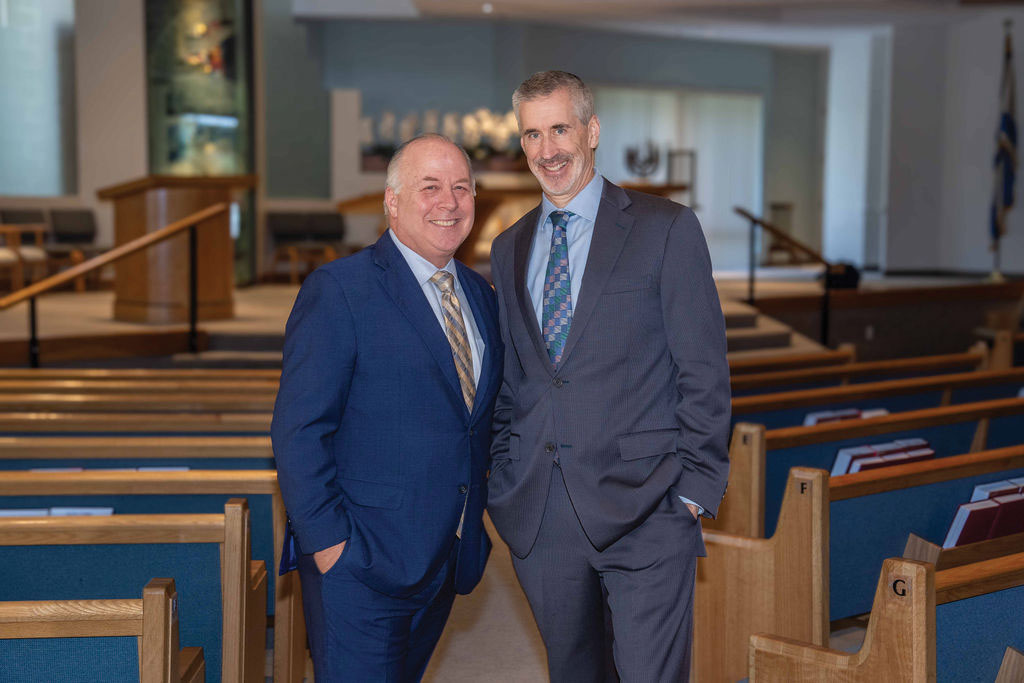 First of three parts
The post Rabbis of LA | Rabbis Camras, Vogel Take One Step Back appeared first on Jewish Journal.
First of three parts
The post Rabbis of LA | Rabbis Camras, Vogel Take One Step Back appeared first on Jewish Journal.
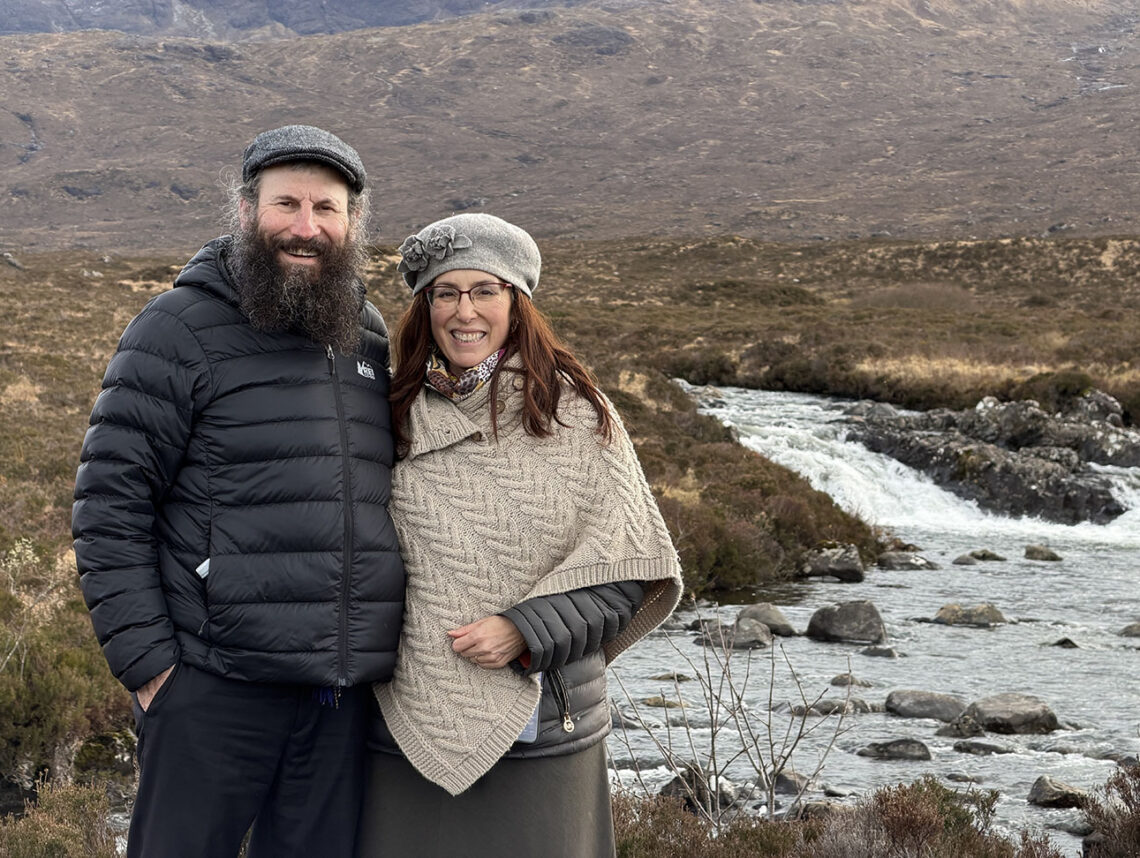 Third of three parts
The post Rabbis of LA | Rabbi Bookstein’s Love Affair with Poland appeared first on Jewish Journal.
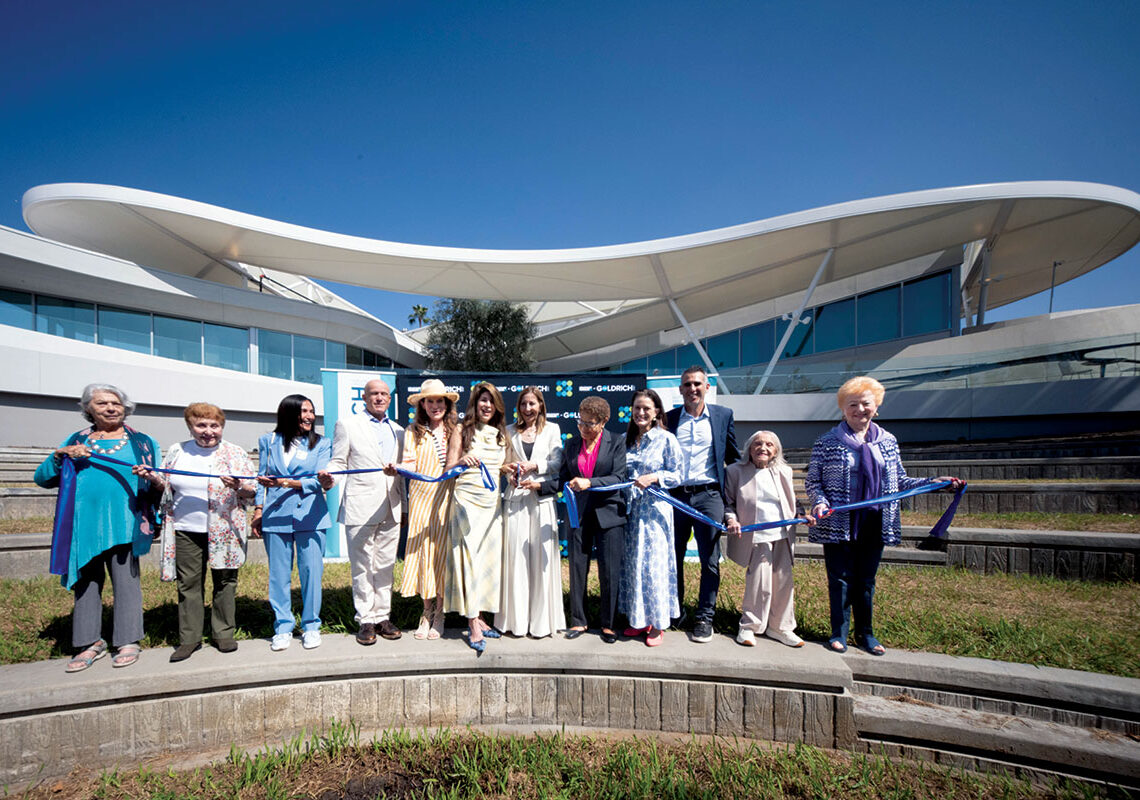 Notable people and events in the Jewish LA community.
The post Goldrich Center Preview Day, L.A. Native Feted at Israel’s Teachers’ Day, EarlyJ Names L.A. Director appeared first on Jewish Journal.

“The curious paradox is that when I accept myself just as I am, then I can change.” ~Carl Rogers
I remember sitting on the living room floor one evening while my boys were playing nearby. One of them was trying to build something out of Legos and getting more and more frustrated every time it collapsed. I don’t even remember exactly what he said now, only the feeling I got watching him.
Because I suddenly recognized that frustration in myself.
Not just in that moment, but from most of my life.
That feeling of wanting to do something, sometimes
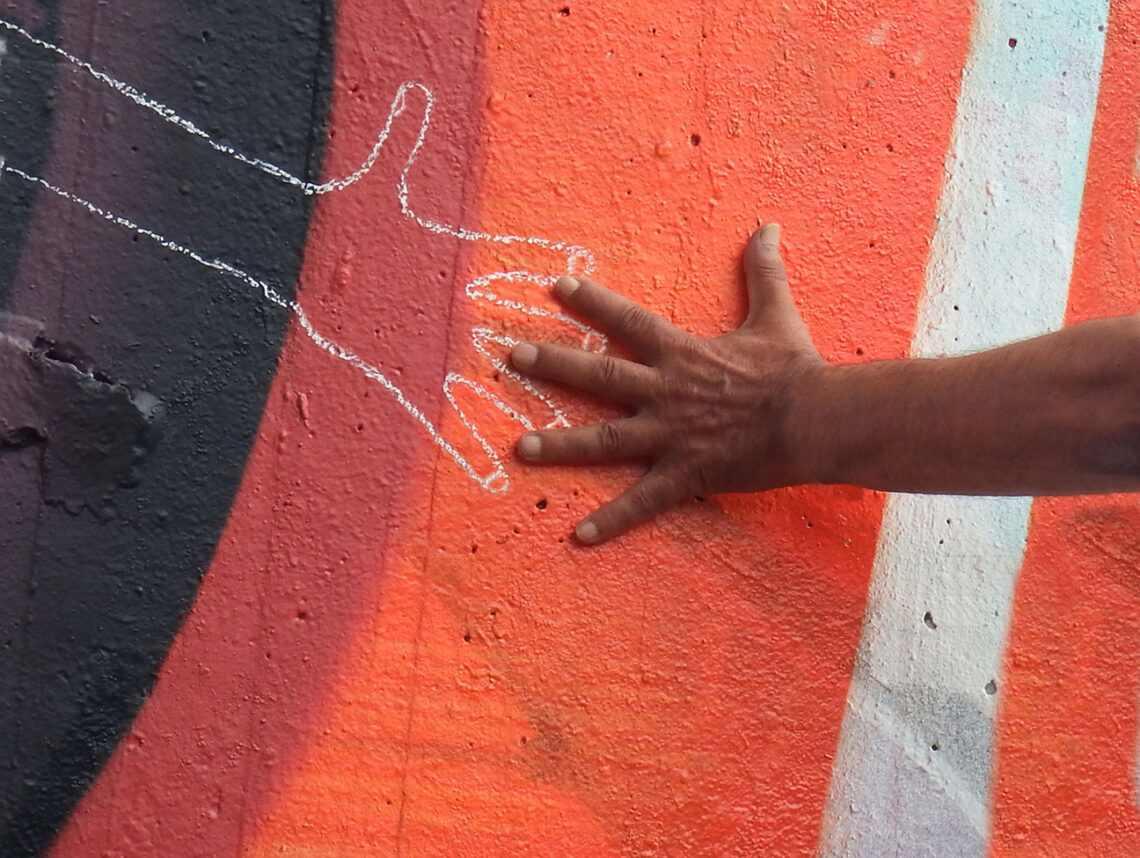 Simply, but sensitively asking, “What is it that you need,” may be one of the greatest acts of love we can perform.
The post A Bisl Torah — What Do They Need? appeared first on Jewish Journal.
(AP) — A federal judge ordered immigration officials to release the president of Wisconsin’s largest mosque from detention Thursday, finding that Salah Sarsour has raised a “substantial” claim that he was being targeted for speaking out in favor of Palestinian rights.
Sarsour, a Palestinian-born legal permanent resident of the United States, was taken into custody by U.S. Immigration and Customs Enforcement agents on March 30. The government has claimed he is a foreign policy threat, but Sarsour’s attorneys say he was actually targeted for speaking out against Israel.
U.S. District Judge James Patrick Hanlon wrote in a decision Thursday that attorneys for ICE and the Department of Homeland Security did not provide enough evidence to refute Sarsour’s claims of retaliation for free speech, nor did they explain why Sarsour was suddenly considered a threat now after more than three decades of legal residency in the United States.”The mere invocation of foreign relations concerns does not automatically trump First Amendment rights,” wrote Hanlon, who was nominated by Trump in 2018. Hanlon ordered that Sarsour be released from the Indiana county jail where he was being held, and allowed to return to his Milwaukee home while his immigration case moves forward.
Sarsour was released a few hours after the ruling.
“I am so relieved to be with my family. For 80 days, I haven’t been able to step outside and breathe fresh air,” Sarsour said in a prepared statement. “This experience is a reminder to all of us that we must fight together for our right to be a voice for the silenced. I will never stop speaking for Palestine and humanity, wherever I am.”
Sarsour, who has Type 2 diabetes, has lost more than 30 pounds (14 kilograms) during his incarceration and his attorneys say his blood sugar levels were only being checked once a month in the jail, putting him at risk of organ failure or death. He was released from the jail Thursday afternoon, said Malak Saleh, the communications manager for the Institute for Middle East Understanding, which has been assisting with the case.
Sarsour’s legal team said in a statement that they were ecstatic, and said he never should have been detained in the first place.
The ruling is also “a sober reminder that, if the government can target Mr. Sarsour, everyone’s free speech rights are at risk,” they wrote.
A statement from the Department of Homeland Security called Sarsour “a terrorist who was convicted of throwing Molotov cocktails” and said any accusation of discrimination by ICE agents is false.
An investigation by KFF Health News and the AP found that hundreds of detainees in at least 33 states have filed federal lawsuits with similar allegations of medical neglect.
Sarsour has no criminal record in the U.S. He was convicted by the Israeli Ramallah Military Court in 1989 of throwing a Molotov cocktail and stones at Israeli army forces, and by the same court in 1995 of attempting to hold weapons and ammunition. Sarsour has denied committing those crimes.
The Israeli military courts have faced scrutiny over allegations of limited due process and high conviction rates of Palestinians. Israel rejects those claims.
The U.S. government has been aware of the charges against Sarsour for 25 years, Hanlon wrote, and considered them at least four times when evaluating his eligibility for naturalization. Still, Hanlon noted, the government didn’t arrest and detain Sarsour until 2026.
Attorneys for DHS and ICE contended that Sarsour doesn’t have the same First Amendment rights as citizens, but the judge rejected that argument. People who enter the U.S. lawfully are invested with the same rights guaranteed by the Constitution to everyone within U.S. borders, Hanlon wrote.
Sarsour’s deep ties to the community — including his spouse, six children and nine grandchildren who are all U.S. citizens — and health concerns also weighed in favor of his release, Hanlon wrote.
“We’re getting our dad back!” Salah’s son, Kareem Sarsour, said in a prepared statement. “This experience has been a nightmare to wake up to every day, with his health at risk in a cruel basement cell simply for speaking up for Palestine. But we know who my dad is, he’s a voice for the voiceless and the heart of our family and our community. I can’t wait to hug him, and I hope everyone like him will be released.”
___
Boone reported from Boise, Idaho.