(The Conversation) — As the United States marks the 250th anniversary of the Declaration of Independence, debates about religious freedom continue to occupy the center of American public life.
Since taking office for a second time, the Trump administration has issued a number of executive orders on religion that raise new questions about religious freedom. On May 1, 2025, the administration established the Religious Liberty Commission. The commission will advise the White House on policies intended to protect the free exercise of religion and to prevent discrimination against people of faith by the federal government.
The administration has also issued executive orders to “eradicate anti-Christian bias” and to broaden protections against religious discrimination across federal agencies.
Some scholars argue that these actions signal a broad effort to reshape how religious freedom is interpreted and practiced, with a pronounced emphasis on favoring Christianity.
Debates over religion in public life are not new. As a scholar of religious freedom, I have long been interested in how the early debates about religious freedom at the nation’s founding can help people better understand the present moment.
The early correspondence of James Madison – who went on to become the fourth U.S president and played a key role in the drafting of the Constitution and Bill of Rights – wrestles with the tensions of religion and public life. It can be instructive for Americans today.
A society in flux
Long before the First Amendment enshrined the right of religious freedom, religion was a subject of intense conflict.
The Declaration of Independence invokes God in phrases such as “Nature’s God,” “Creator” and “divine Providence.” But these words did not settle hard questions about religion in public life. The disputes continued and shaped debates about religious freedom.
Madison spent much of his life engaging these important issues.
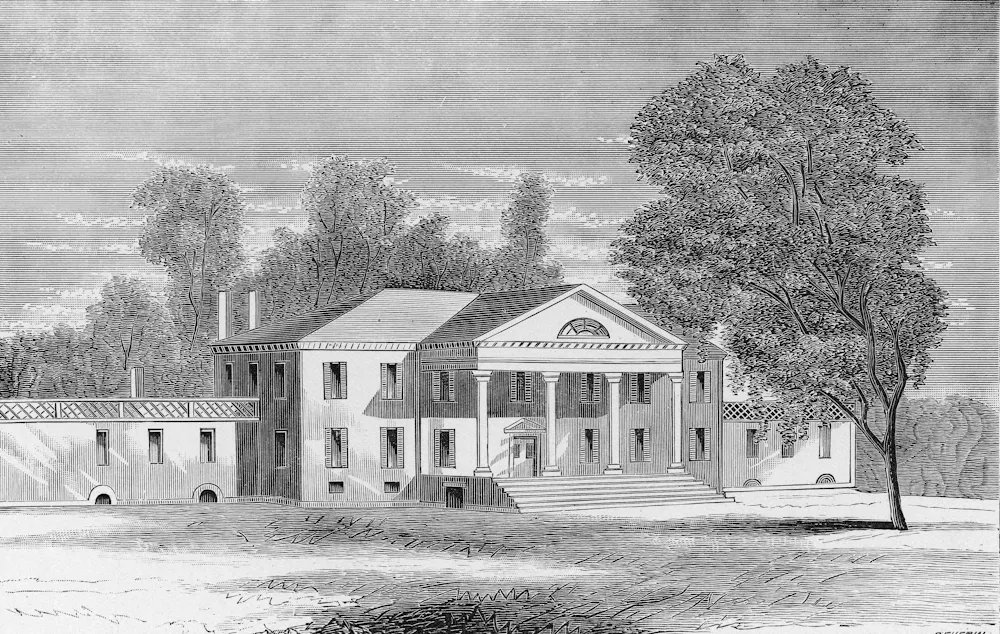
Kean Collection/Getty Images
Colonial Virginia was a hotbed of conflict over the authority of the Church of England. In the decades before the American Revolution, dissenting religious groups were punished by Colonial authorities for practicing their faith. Baptist and Presbyterian preachers were fined and jailed by local authorities for preaching without licenses. Some were imprisoned near the Madison family plantation at Montpelier.
The religious intolerance in Virginia left a deep impression on Madison. It heightened his attention to the dangers of religious authority allied with state power.
He shared his concerns with his friend and future U.S. Attorney General William Bradford, whom he met during his years at the College of New Jersey, now Princeton University.
In a 1773 letter to his “Dear Billey,” Madison posed a critical question as Bradford began his legal studies. He asked, “Is an Ecclesiastical Establishment absolutely necessary to support civil society in a supream Government? & how far it is hurtful to a dependant State?” Simply put, Madison was asking whether government-authorized religion strengthens society or threatens it.
Madison also condemned the jailing of dissenting preachers by Colonial authorities. These actions, he wrote, reflected “that diabolical Hell conceived principle of persecution.” For Madison, such persecution was blatantly unjust. It damaged religion and civil society. Madison feared established religion because it threatened personal conscience and political liberty.
Near the end of his letter, Madison asked Bradford “to pity me and pray for Liberty of Conscience.” This line reflects his growing belief that faith should be guided by personal conviction, not political power.
The people and religious freedom
These experiences shaped Madison’s opposition to an official state religion and his defense of the free exercise of religion. For Madison, religion could flourish only under conditions of freedom, not compulsion.
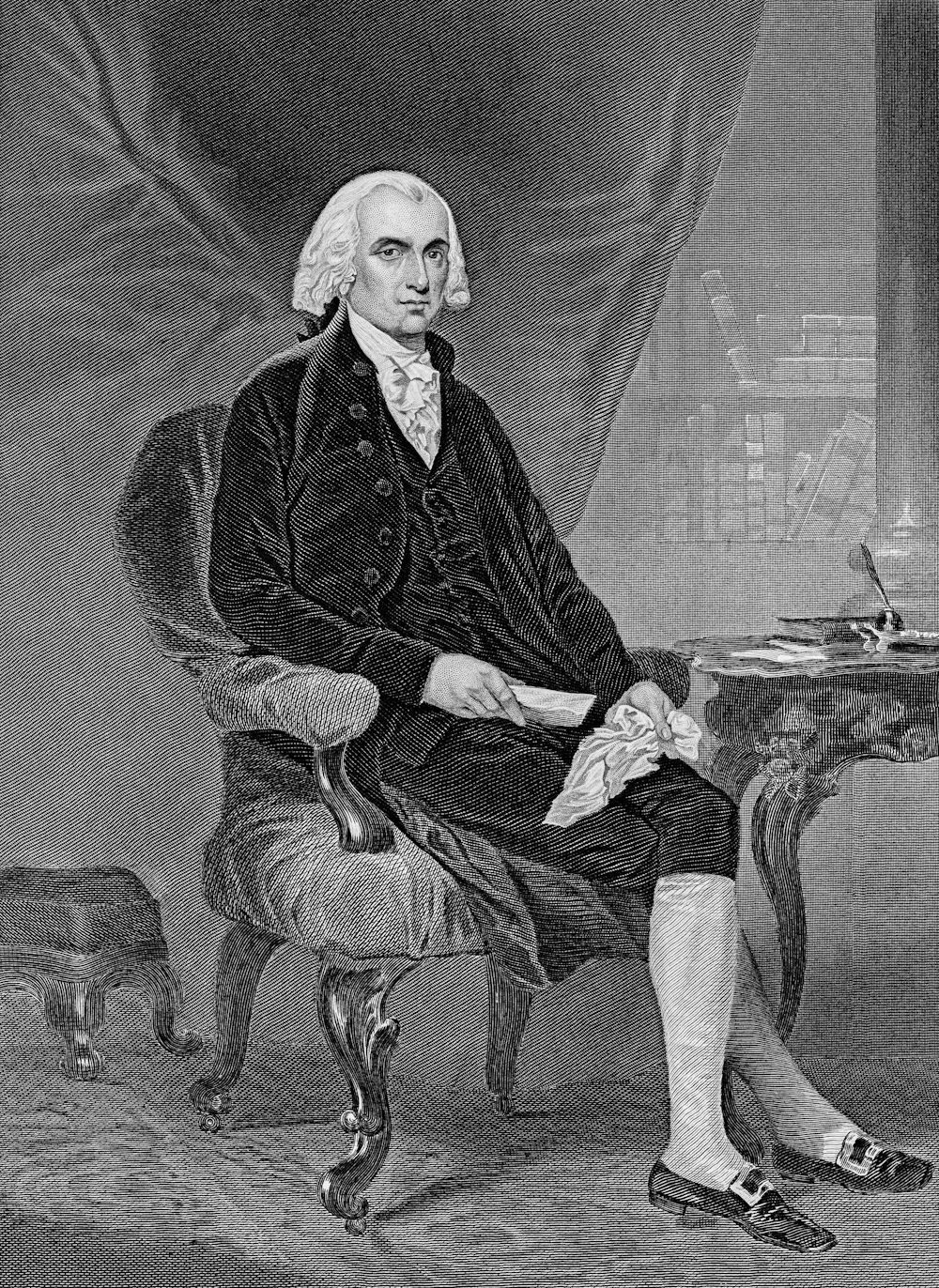
mashuk/DigitalVision Vectors via Getty Images
Although initially skeptical about adding a Bill of Rights to the Constitution, Madison eventually supported these amendments, including the First Amendment. It begins with prohibiting the federal government to sanction any official religion: “Congress shall make no law respecting an establishment of religion, or prohibiting the free exercise thereof …”
For Madison, prohibiting Congress from establishing religion and protecting the free exercise of religion were not abstract ideals. They were responses to the oppression of religious minorities he witnessed in Virginia.
But Madison realized that written guarantees were not enough. Such “parchment barriers,” as he referred to declarations like the Bill of Rights, were necessary but not sufficient to guard against political excess.
In “Federalist No. 10,” part of a series of essays written to support the Constitution, Madison warned about the dangers of factions and intolerance. A dominant religious group could marginalize others. A “religious sect may degenerate into a political faction,” he warned. In his view, a religious faction with political power can create a political tyranny, especially when it claims to act in God’s name.
Madison understood that religious freedom did not mean protecting one faith against others. Religious freedom is best secured in a nation that respects religious diversity in all of its variety, including the right to no religion at all. The point was not to privilege any tradition but to protect all traditions.
Madison and our moment
Madison’s vision is instructive in this moment when debates on religious freedom often center on Christianity, especially in disputes over education, rights and discrimination.
For Madison, religious freedom was not about political domination. It served as a constitutional ally for the foundational principle of liberty and a safeguard for democracy.
Returning to Madison is not an exercise in nostalgia. It is a civic responsibility.
His legacy reminds Americans that religious freedom is not about power or privilege. Religious freedom affirms a broader and deeper vision of American democracy where all beliefs, and none, can coexist in a diverse and evolving society.
(Corey D. B. Walker, Dean and Wake Forest Professor of the Humanities, Wake Forest University. The views expressed in this commentary do not necessarily reflect those of Religion News Service.)
This article is republished from The Conversation under a Creative Commons license. Read the original article.
Original Source: