VATICAN CITY (RNS) — When Pope Leo XIV sat down for his first interview after his election as pontiff with Elise Allen at Crux, he surprised many Vatican watchers by stating that he was not particularly concerned by the historically troubled finances of the Catholic institution.
“We have to keep working on it,” he said, “but it doesn’t keep me up at night.”
That phrase stood at odds with the Vatican’s history of financial scandals and lack of transparency — including the death of “God’s banker” Roberto Calvi in 1982 and the more recent scandal tied to the Vatican’s purchase of prime real estate in London.
The Holy See, which includes not only the departments of the Vatican curia but also papal embassies and representatives all over the world, has been functioning on a structural deficit for years. Even though the Holy See reported a 1.6 million euro surplus for 2024, its structural deficit remained around 44 million euro, roughly half the deficit of the previous year.
But Leo inherited a financial situation that is improved compared with his predecessors, and above all his popularity in the first year — especially among U.S. Catholics — has already started filling the coffers of the Vatican and the Catholic Church at large.
In the first year of Leo’s papacy, the Vatican bank, officially called the Institute for Religious Works or IOR, reported a record 55.5% growth in its income compared with the previous 10 years. Its net income amounted to 51 million euro, according to an IOR press release on May 11, of which 24.3 million dividends were given to the Holy Father “to support works of religion and charity.”
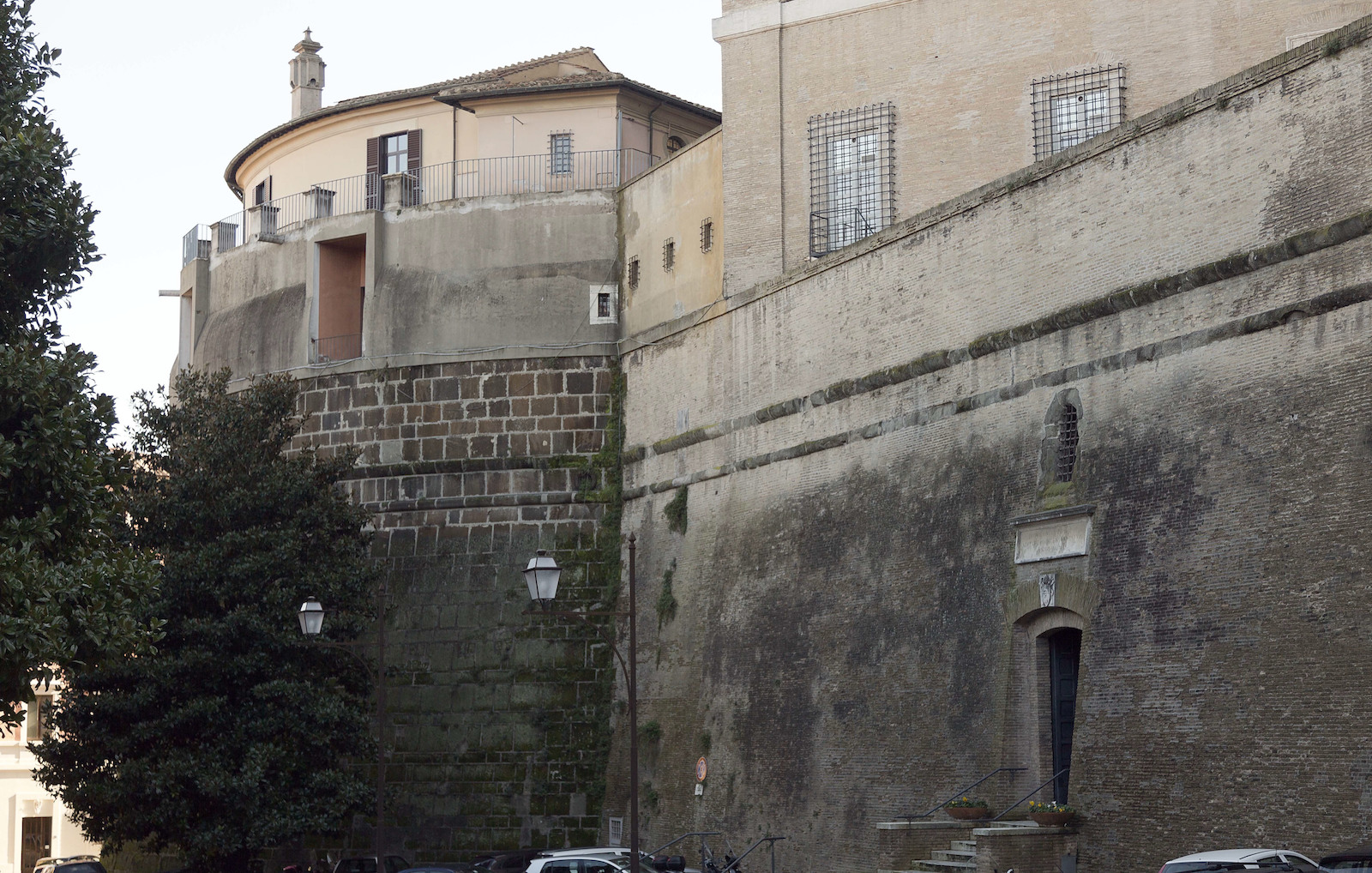
The bank credited “improved operating performance” for the increase in net profit, as well as “favorable market conditions.” It also stated that its operations were in compliance with Catholic Church teaching.
At the same time, Leo’s U.S.-born credentials have reassured donors who have been wary of the lack of financial transparency at the Vatican. The Vatican’s financial watchdog agency, ASIF, reported that its anti-money laundering system is maturing. The agency also emphasized its increased collaboration with foreign counterparts, aimed at securing the Vatican’s compliance with international transparency and financial accountability standards.
“He has a keen understanding of economics and financial management, and he seems to be a very sound administrator,” said Monsignor Martin Schlag, a Catholic priest and scholar of Catholic social thought, business ethics and church management.
Donations to the Vatican and Catholic charitable works have grown in the first year of Leo’s papacy. The Papal Foundation, a group of wealthy and mostly U.S.-born Catholics who promise to donate $1 million to the church, recently announced a $15 million grant for a record-breaking 144 projects in 75 countries. It also reported growth in its membership.
Leo has “gone back to fundraising,” Schlag said. “I think Francis was very reluctant to be a friend of the wealthy and the rich. He didn’t exclude them, but he didn’t cultivate their friendship, which is necessary if you want to raise funds from them.”

The Catholic Near East Welfare Association, a papal agency providing humanitarian and pastoral aid in the Middle East, Northeast Africa, India and Eastern Europe, told Religion News Service that there has been a significant increase in funding for its programs since Leo’s election.
“There’s definitely been an increase — or surge — in giving, largely associated with Pope Leo and his concerns about the dignity of all human beings,” said Michael J.L. La Civita, CNEWA’s director of communications and marketing.
La Civita said that this increase is largely driven by the humanitarian emergencies around the world, especially in Gaza, Lebanon and Ethiopia. Especially since the dismantling of the U.S. Agency for International Development by the Trump administration, the work of the Catholic Church has garnered more attention, he added.
The fact that Leo was born in Chicago and speaks with an American accent has also fueled donations, La Civita said. Leo speaks “in a language that they clearly understand, and in words that they understand,” he said.
While the increase in donations is closely tied to Leo’s popularity, the positive reports from the Vatican’s financial institutions are the result of major economic reforms begun by Pope Benedict XVI and expanded under Pope Francis.

When Benedict was elected in 2005, he inherited a seemingly functioning institution on paper but already masking signs of financial instability. The financial situation of the institution plummeted in the following years and donations steeply declined in the wake of the sexual abuse crisis.
Benedict created the institution’s first anti-money laundering framework and financial oversight agency between 2010 and 2011. He also allowed an external audit of the Vatican’s opaque finances and established a commission to overhaul the Vatican bank.
By the time Francis was elected in 2013, the Holy See ran a 24.47 million euro deficit, barely salvaged by the positive budget of the Vatican City State. At the same time, concerns remained about lack of transparency within the Vatican bank and the Holy See’s real estate holdings and financial portfolio.
Francis established the Council for the Economy to supervise the Vatican’s financial operations and created the office of the auditor general in 2014. He centralized investments and cut waste in the Vatican curia. It was under Francis that the Vatican bank was able to successfully shake off its troubled history and establish its credibility as a financial institution.
“The Holy See is no longer a tax haven,” the president of the Vatican bank, Jean-Baptiste de Franssu, told Le Figaro in May 2024, highlighting the growing number of tax agreements between the Vatican and other countries.
Despite the reforms, Francis’ pontificate was still faced with financial scandals and dwindling donations. An opaque real estate investment by the Vatican Secretariat of State led to the trial of 10 Vatican employees and Italian financiers, including Cardinal Angelo Becciu. Francis also had a fraught relationship with some major donors, including the Papal Foundation. Donations to Peter’s Pence, the church’s direct donation line for laypeople to support global humanitarian work and administrative costs, declined significantly under Francis, averaging half of the 83 million euro reported after his election in 2014.
La Civita explained that despite the surge in giving under Leo, “American Catholic donors, in particular, are increasingly more concerned about issues of transparency and accountability and fiscal responsibility than they have been in the past.”
While Leo might enjoy a moment of temporary financial peace for the Vatican, as faithful around the world view him favorably and sustained by the positive trajectory of financial reforms, the stability of the institution in the long run depends on his ability to ensure transparency and accountability in the institution. The next Holy See and real estate holdings reports will offer deeper insight into the solidity of the institution’s finances, while Peter’s Pence reports will serve as a first pulse of whether faithful in the pews trust this papacy’s financial oversight.
Original Source: