(RNS) — Nearly every day, dozens of religiously diverse students — Christian, Jewish, Buddhist, spiritual, agnostic, atheist and beyond — walk the halls of Union Theological Seminary, the Manhattan school I’ve been proud to lead for almost two decades. They share dorms, take classes and enjoy meals together. They engage in lively discussions about theology. They organize peaceful demonstrations to advance a more just world. And they host events to celebrate their different religious traditions.
As I prepare to step down from the presidency next month, I look at this community and see a blueprint for a flourishing, interreligious America. But when I turn to the headlines, I see our nation barreling toward a far more destructive vision.
President Donald Trump and his far-right allies are taking a wrecking ball to the foundations of our pluralistic society and purposely sowing discord between people of different religious traditions. Ultimately, they aim to impose a narrow, exclusionary version of Christianity on the entire nation — one that views difference as a threat rather than a strength.
Case in point: The Trump administration and other far-right leaders have consistently expressed a desire to make America a conservative Christian nation — and have pushed policies that reflect those beliefs. They’ve spewed rhetoric that frames Muslims and other marginalized religious communities as enemies rather than neighbors. And now, as we mark the 250th anniversary of the signing of the Declaration of Independence, the administration is holding events steeped in far-right Christian symbolism.
I’ve got news for Trump — this isn’t how you make a nation strong. On the contrary, when you create spaces for diverse religious communities to come together and collaborate, true strength emerges. I’ve witnessed this at Union Theological Seminary time and time again.
One of my most poignant memories happened in 2024, during the height of pro-Palestine protests. Police officers at Columbia University across the street stormed that campus and arrested student demonstrators.
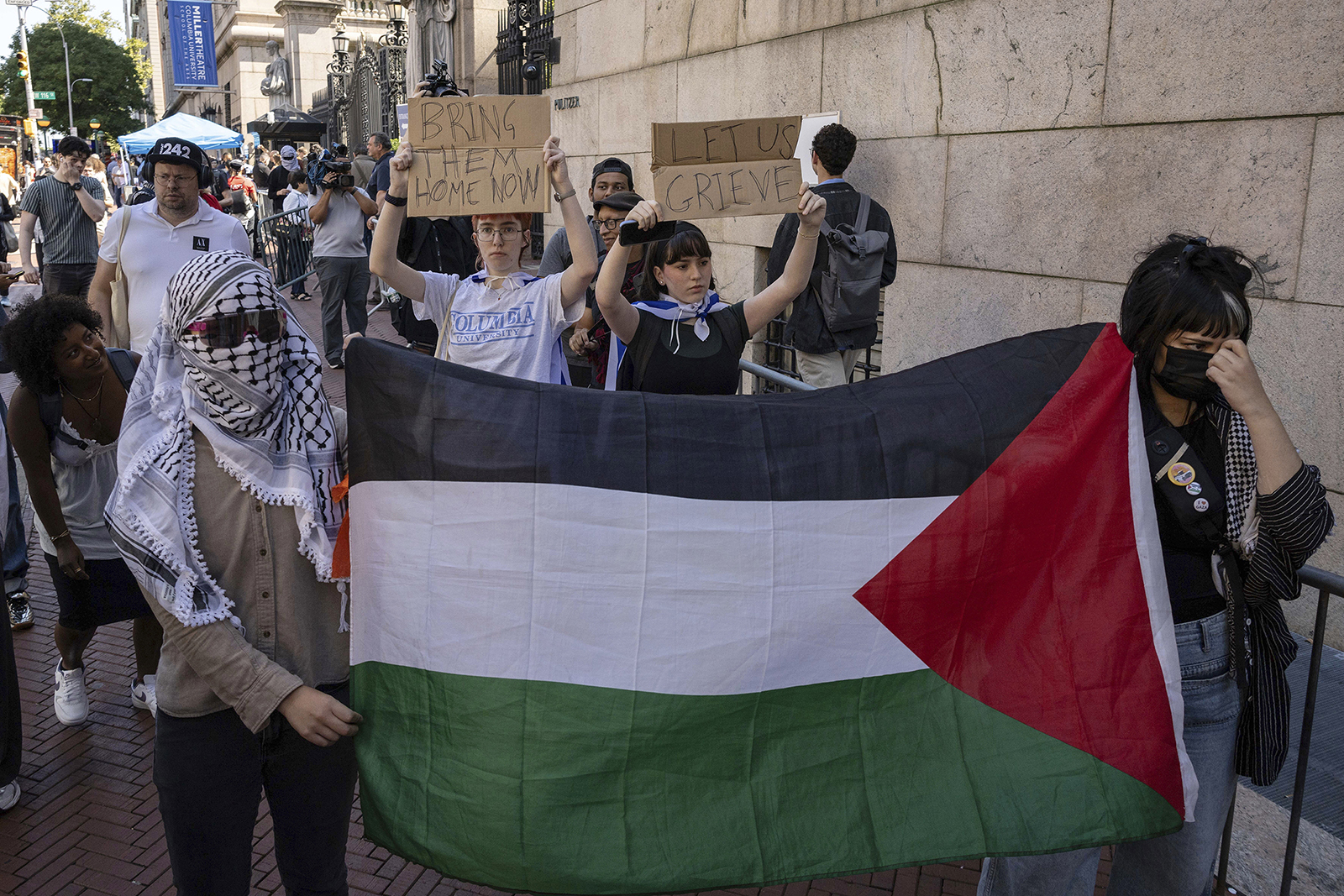
Instead of ostracizing these students, we welcomed them to campus for a seder. The service, led by Columbia’s Jewish students, brought together students of diverse religious traditions to share a meal — a meal full of laughter, prayer and deep thought. It was a beautiful display of how different religious communities could come together for a shared moment of understanding and peace.
In my time at Union, a historically Christian seminary, we’ve also expanded programs devoted to multiple religious traditions. We now have classes in Buddhism, Islam and more. We also continue to partner with our long-standing neighbor, Jewish Theological Seminary. Additionally, we instituted requirements for students to learn about religious traditions other than their own. When our graduates enter the world, they don’t “tolerate” the imam or the Buddhist priest — they work alongside them. Indeed, they often are them.
And we’ve ensured that campus spaces encourage interreligious dialogue. We transformed a former finance office into a multifaith prayer and meditation hall. The wood grain of the floor points toward Mecca, ensuring every student knows they have a place to turn. Meanwhile, our campus hosts an array of events from different religious communities.
All of these moments and initiatives may seem small in the grand scheme of our world. But when people have the skills and desire to engage with different religious communities, they can make a difference. Throughout our nation’s history, interfaith communities have come together to advance humanitarian aid, sanctuary for immigrants, criminal justice reform and more.
As an example, every Monday, members of the Union community gather with other faith groups at Columbus Circle in New York City for Multifaith Mondays — an anti-fascist public witness that proves faith is a tool for love and peace, not a weapon of division. The gatherings started small but have continued to grow. These demonstrations have offered space for reflection, boosted community connections and inspired people to take action.
Meanwhile, during immigration enforcement raids in Minnesota, we saw a breathtaking surge of interreligious solidarity. With this collaboration, religious communities — including Union graduates — were able to stall Immigration and Customs Enforcement agents and save immigrants from their clutches.
Make no mistake: Navigating religious differences involves friction. But when met with respect, those disagreements make us more understanding, inclusive and effective.
I can’t help but see a grand irony in this political moment. As we at Union have strengthened our campus infrastructure and built a more inclusive community, Trump is taking a sledgehammer to the so-called People’s House. He is attempting to dismantle the basic structures of our democracy to build a home layered in gold and exclusion.
We are proof that there is an alternative house being built in America — a multireligious and deeply diverse community that is growing rapidly and refuses to be silenced.
As I step down from Union at the end of this school year, my hope is that our seminary serves as a powerful example of the power of interreligious engagement. President Trump believes our strength lies in a single, narrow religious perspective. But after nearly two decades at Union, I know the truth: Religious diversity and, indeed, all of our beautiful differences are not threats. They are the only thing capable of holding the roof up.
(The Rev. Serene Jones is president and the Johnston Family Professor for Religion & Democracy at Union Theological Seminary, a globally recognized seminary and graduate school of theology in Manhattan where faith, spirituality and scholarship meet to reimagine the work of justice. The views expressed in this commentary do not necessarily reflect those of Religion News Service.)
Original Source: